

Drip Filter Coffee
Drip filter coffee, also known as pour-over or filtered, is made by gently pouring hot water over ground coffee and allowing it to brew as it seeps through. Variable factors like the size of the grind, the temperature of water and filter type can affect the flavor of the cup of coffee.
The medium grind size will promote an even extraction of coffee flavors. The adjustment of the grind size can enhance certain characteristics of the coffee based on the preferences of the consumer.
Grind Size
The size of the grind of coffee is a crucial element in drip brewing as it determines the rate of water passing through the grounds, and the extraction of flavor compounds. The correct grind size is crucial to ensure the proper balance of extraction time and flavor and to avoid over- or under-extraction. Under-extraction produces a weak taste that is bland. Over-extraction will result in a bitter and hollow taste. To avoid these issues, the best grind for drip coffee is medium, with a consistency resembling that of sugar granulated.
The size of the grind can differ depending on the type of filter used and the brewing method. For example, flat-bottom filters work well with a medium ground, while cone-shaped filters require a higher quality grind. Making a variety of grind sizes for different kinds of coffee beans allows you to determine what creates your preferred flavors.
The grind size also influences the temperature at which water reaches the beans. This plays a key part in flavor extraction and development. If a bean is roasted too coarsely the surface area is too large to permit adequate contact with hot water. This can cause an acidic, sour flavor when a finer grind may cause excessive extraction which can result in an unpleasant, hollow taste.
Finely ground coffee has the most surface area and is best suited for espresso or Turkish coffee. This grind requires a extended extraction process in order to bring out all the flavors of the beans. The coarse-grounded coffee is characterized by a rough texture, similar to sea salt. This kind of grind works best for cold brew and French press making.
The best way to grasp how the grind size influences the temperature of the water is to compare it to a Jolly Rancher. A whole jolly rancher takes longer to dissolve in water while a smaller one dissolves quickly since the surface area is much greater. This is why it's crucial to know the importance of grind size in your brewing technique, and to experiment with different sizes until you discover the one that produces the most perfect cup of coffee for you.
Temperature of Water
The temperature of the water is essential for drip filter coffee because it determines how well it extracts flavor compounds. Water should be kept just below boiling temperature for an even and delicious cup. Hot water can produce bitter coffee and will over-extract the flavor, while water that is too cold might not be able to extract enough flavor. The optimal range for water temperature is between 195 and 205 degrees Fahrenheit. Using a thermometer can help ensure that the water is at the correct temperature to brew. You can also bring the water to a boil and let it sit for a few minutes before pouring it out, which will also achieve the same temperature.
The water temperature is important because different soluble compounds extract at different rates. Fruity and acidic flavours are extracted first, followed by sweetness and balance, then bitterness and caffeine. The right temperature of the water will extract these flavours and provide you with a fantastic cup.
The extraction of flavor isn't linear. It is more complicated as the water temperature increases. Water temperatures that exceed 205 degrees Fahrenheit may quickly over-extract and produce bitter coffee, whereas water that is too cold has difficulties extracting and will leave you with an unbalanced and weak cup of coffee.
The ideal temperature for water for your drip filter coffee is easy enough however, it requires careful attention to detail and the use of a good quality thermometer. Use a thermometer that can be read by lasers or, should you prefer, rely on a traditional thermometer. This is made simpler by using a gooseneck with a temperature-adjustable setting.
Try experimenting with different water temperatures grind sizes, brewing temperatures, and brew time to find out what you like best. Try a lower temperature (around 200 degrees Fahrenheit) for lighter roasts to highlight acidic and fruity flavours, or use higher temperatures for darker roasts to create more intense, smoky flavors.
Filter Type
There are a variety of filter types to choose from, each one affecting the taste of your coffee and its mouthfeel. Some filters are made of paper, while others are made of cloth or metal. The kind of filter you choose to use will determine how much ground matter gets into the cup and consequently, the quality of your drink. For instance paper filters will hinder the majority of smaller particles from getting through to the cup. This can result in an enhanced mouthfeel and more rich flavors, while a metal filter allows more of the sediment and oils to flow through.
There's also an impact on how tight the weave of the filter is which can impact the flavor of your coffee. A looser weave allows more oil and sediment to pass through, whereas a tighter one blocks more particles to create a cleaner, lighter tasting coffee. Additionally, the thickness of the filter can influence the production process. A thicker filter can slow down the flow of water which leads to longer extraction times. A filter that is thinner will speed up the process of brewing, allowing for a quicker extraction time.
Drip filter coffee can be described as less acidic and milder in comparison to other varieties of espresso. This is because the water is dripped multiple times through the beans before it reaches your mouth. Additionally, the brew is capable of retaining more of the antioxidants and caffeine that are in the beans, making it healthier than other types of coffee.
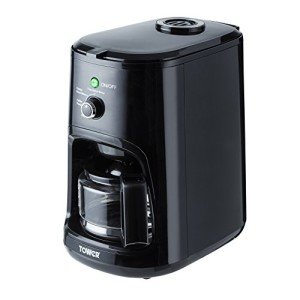
There are many methods to brew coffee, drip filter coffee is among the most well-known options. It is simple to make and requires no equipment making it an excellent option for those who are new to the craft or seeking a simple way to start their day. When making drip filter coffee, it is important to pay attention to your machine and the type of filter you choose to use. They'll have a major impact on the final outcome. With a bit of practice, you'll make drip filter coffee like an expert in the blink of an eye!
Filter Shape
There are a variety of coffee filters to choose from, each with its own benefits and drawbacks. Paper filters are the most widely used and easy to use. They are capable of filtering out bitter sediments and can be used with any size grind. They can, however, transfer foreign tastes and odors to the cup of coffee. Despite these drawbacks, filter paper is the best choice for drip coffees. They can also be reused, and easy to clean.
Metal filters are also very popular however, they could have a negative impact on the taste of your cup of coffee. Metal filters don't have the maze of spaces you find in paper filters They instead have straight holes that are usually quite large. This allows a wide range of fines to go through before they reach the coffee cup that is finished.
Cloth filters can also be used and have a positive effect on the flavor of the final drink. They are reusable and don't restrict water flow, but they have their own problems. They can block the flow of water and also add a papery flavor to coffee.
Other kinds of coffee filters are cone basket, disk, and cone. Cone filters can be constructed from metal, paper or cloth. Pour-over brewing uses these filters the most. They can be difficult to manipulate due their shape, and a digital Caliper with 20 micron precision is necessary to precisely gauge the thickness of these filters.
The main benefit of cone-shaped filters is that it lets more oil flow through the filter and into the cup which results in a more rich and bolder drink. The extra oil in the coffee can help protect it from acidity. Cone filters are also ideal for highlighting umami, earthy flavors which can be absent from other brewing methods.